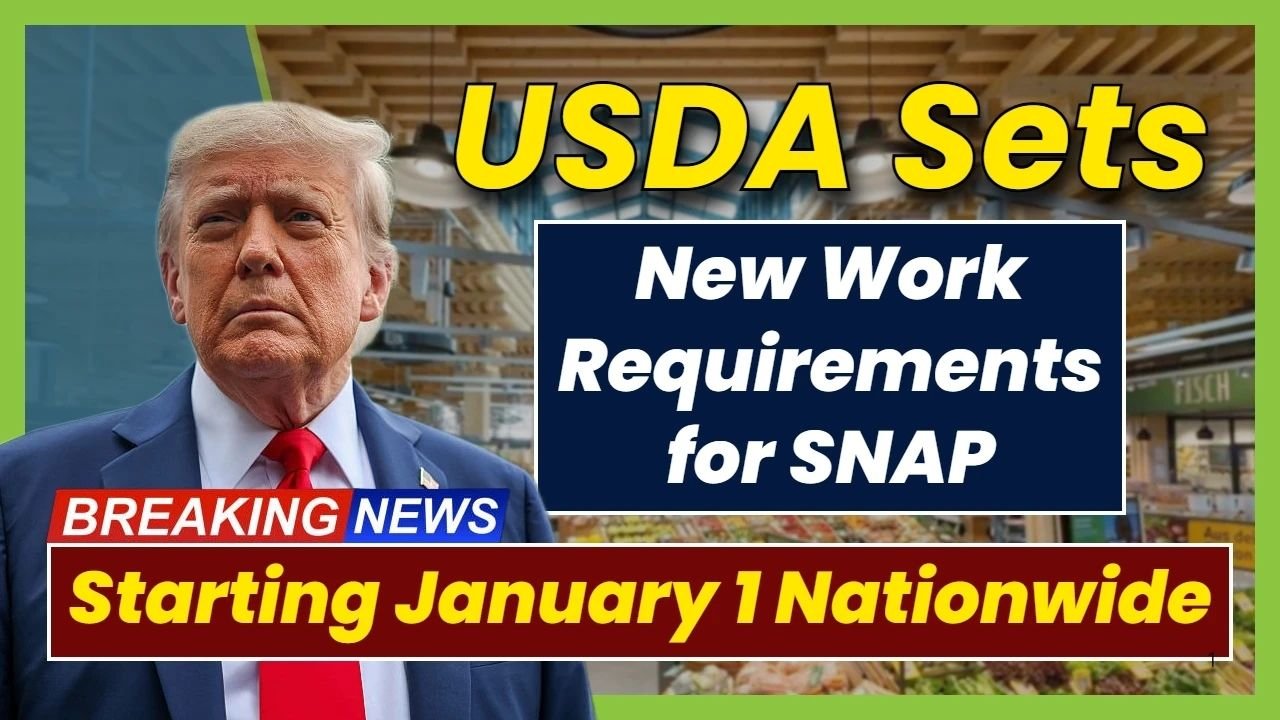
Starting January 1, 2026, the United States Department of Agriculture (USDA) will implement new nationwide work requirements for the Supplemental Nutrition Assistance Program (SNAP). This significant policy update aims to strengthen workforce participation while ensuring that food assistance continues to reach eligible households. Millions of SNAP recipients across the country will be affected, making it essential to understand the changes and how to remain compliant.
Why SNAP Work Requirements Are Changing Nationwide
The USDA’s updated work requirements reflect a federal initiative to encourage employment and skills development while maintaining program sustainability. By aligning SNAP participation with workforce engagement, policymakers aim to support long-term independence for recipients while safeguarding access to nutrition assistance for those who meet eligibility standards. The changes are part of broader efforts to modernize social support programs and ensure that resources are efficiently distributed.
Who Will Be Impacted by the January 1 SNAP Changes

The new work rules primarily target able-bodied adults without dependents (ABAWDs), though enforcement will now be applied consistently across all states. Individuals who do not meet the updated requirements may face limits on the duration of benefits they can receive. Affected groups include:
- Adults aged 18 to 54 without qualifying dependents
- Recipients failing to meet monthly work or training hour requirements
- Individuals no longer covered by temporary exemptions
- SNAP participants with incomplete or outdated employment reporting
Recipients outside these categories are generally unaffected but should remain aware of reporting requirements.
What the New Work Requirements Include
Under the updated nationwide standards, affected recipients must complete a minimum number of work or qualifying activity hours each month. Approved activities include:
- Paid employment
- Workforce training programs
- Vocational education
- Verified community service meeting federal guidelines

Recipients must provide documentation or verification of participation to maintain their SNAP benefits.
Who Remains Exempt From the Rules
Certain groups are exempt from the new work requirements to accommodate unique circumstances. These include:
- Individuals with documented disabilities
- Pregnant persons
- Veterans qualifying for exemptions
- Caregivers of young children
- Those responsible for caring for incapacitated household members
Exemptions must be verified by states through existing documentation and eligibility processes.
How States Will Enforce the New Rules

Although the requirements are federally mandated, each state is responsible for enforcement. State agencies will track work hours, verify participation in qualifying activities, issue compliance notices, and adjust benefits accordingly. Many states are expected to strengthen reporting and monitoring systems ahead of the January 1 rollout to ensure smooth implementation.
What SNAP Recipients Should Do Now
Recipients who may be affected should take proactive steps to maintain benefits:
- Review employment or training status to ensure compliance with monthly hour requirements
- Update records with state SNAP offices, including contact and employment information
- Explore qualifying programs if currently not meeting the new work or training requirements
Early preparation can prevent benefit interruptions and ensure continued access to essential nutrition assistance.
Conclusion
The USDA’s nationwide SNAP work requirement update represents one of the most substantial program changes in recent years. With the January 1, 2026, start date approaching, recipients must understand the new rules and take action to remain compliant. By staying informed, updating records, and participating in qualifying activities, affected individuals can safeguard their SNAP benefits and continue to access vital food assistance.
Disclaimer: All information is based on early announcements and official federal guidance. Final eligibility rules, enforcement practices, exemptions, and timelines may change depending on regulatory updates and state-level implementation decisions.