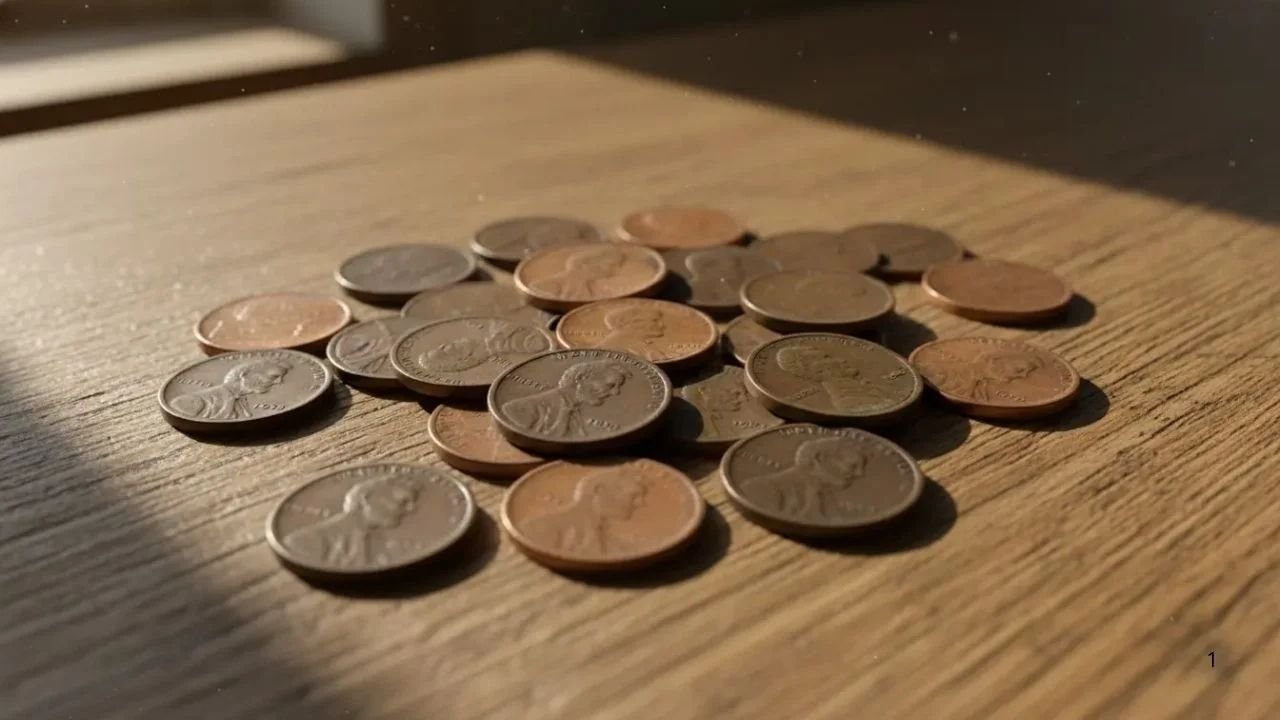
Wheat pennies, officially minted as Lincoln cents from 1909 to 1958, remain a cornerstone of coin collecting worldwide. Celebrated for their historical significance, variety, and accessibility, these coins attract both beginner collectors and seasoned numismatists. Over the past decade, wheat penny values have evolved in measurable ways, influenced by rarity, condition, grading practices, and broader market dynamics. Understanding these trends is crucial for anyone buying, holding, or selling these iconic coins.
How Wheat Penny Values Have Evolved
Between 2015 and 2024, wheat penny values experienced steady but uneven growth. Coins that were already desirable—key dates, scarce mint marks, certified Mint State examples, and well-known error varieties—saw the most significant appreciation. Increased online visibility, expanded access to third-party grading, and rising competition among collectors contributed to this trend.

Conversely, common-date wheat pennies in circulated condition remained relatively stable. While they maintained modest premiums over face value, liquidity improved as digital marketplaces made buying and selling more efficient.
Key Drivers Behind Wheat Penny Market Trends
Rarity and Mintage
Low-mintage years and specific mint mark combinations consistently outperformed common issues. Early strikes and recognized key dates attracted sustained collector demand, particularly in high grades, where supply remains limited.
Condition and Professional Grading
Condition has become a central factor in determining value. Over the past decade, collectors increasingly prioritized certified grades, especially Mint State coins with strong eye appeal. Third-party certification from reputable grading services significantly enhances value compared to raw, uncertified examples.
Errors and Recognized Varieties

Error coins have driven some of the most notable price movements. Famous varieties, including doubled dies, off-center strikes, and wrong-planchet errors, achieved exceptional results when properly authenticated. Awareness of these varieties expanded alongside online education and specialized forums, increasing market interest.
Market Transparency and Access
The rise of digital platforms transformed pricing visibility. Auction archives, completed online sales, and grading population reports allowed buyers and sellers to establish fair market value more confidently. Greater transparency reduced underpricing of rare coins and supported gradual appreciation across the series.
Broader Economic Factors
Periods of economic uncertainty often boost interest in tangible collectibles. Higher-end wheat pennies benefited from renewed attention as collectors sought alternatives to traditional financial assets, reinforcing long-term demand for scarce, high-quality examples.
Wheat Pennies That Appreciated the Most

Not all wheat pennies experienced uniform growth. Rarity combined with quality drove the most significant gains:
- Key-Date Coins: The 1909-S VDB remained the series’ flagship collectible, steadily increasing in certified mid- to high-grade examples. The 1914-D also showed solid appreciation due to its limited mintage and sustained collector interest.
- Error Coins: Dramatic varieties, such as the 1955 Doubled Die Obverse, delivered some of the most striking gains. Well-preserved examples consistently drew competitive bidding when they surfaced at auction.
- Consistently Sought-After Coins: The 1909-S VDB and 1914-D continued to attract both type collectors and series specialists, while authenticated error varieties maintained headline appeal.
Identifying Wheat Pennies With Above-Average Value
Spotting a valuable wheat penny requires careful observation and knowledge. Start with the date and mint mark, which immediately narrow the field. Use a magnifier to detect doubling on letters or numbers, unusual spacing, or misaligned features that may indicate a recognized variety. Metal composition, weight, and planchet color can also signal potential errors.
Documenting potential finds is crucial. Photograph coins clearly and compare them with verified reference images to prepare for professional review. Avoid cleaning, as this can significantly reduce value.
The Role of Grading and Market Confidence
Third-party grading has become central to wheat penny valuation. Certified coins benefit from standardized condition assessment, reduced buyer uncertainty, and market trust. Population reports showing how many examples exist at each grade level further reinforce pricing accuracy.
For sellers, grading often translates into higher realized prices, while buyers gain assurance that a coin matches its described quality and rarity. Over the past decade, the preference for certified coins has been one of the most influential factors shaping wheat penny values.
Practical Strategies for Selling and Pricing
Successful pricing requires multiple data points. Comparing price guides with recent auction results or completed online sales ensures accurate valuation. Matching date, mint mark, and grade is critical.
Local dealers offer convenience but may provide lower returns. Online marketplaces broaden reach but require careful listing, secure shipping, and attention to fees. Auction houses remain the preferred route for rare or high-grade coins, where competition among collectors maximizes realized value. Clear photographs, grading certificates, and documented provenance all contribute to stronger buyer confidence.
Real-World Example: Turning a Roll Find Into Value
A collector once discovered a circulated wheat penny with unusually sharp detail while searching through rolls. Close inspection revealed a doubled feature on the date. After consulting a dealer and submitting the coin for grading, it was authenticated as a recognized doubled die variety. Specialist interest at auction drove a sale that far exceeded typical expectations, highlighting how knowledge, patience, and verification can transform an ordinary find into a profitable outcome.
Insights From the Past Decade
The last ten years show a distinct divide in the wheat penny market. Common, circulated coins remain accessible and stable, serving as entry points for collectors. Meanwhile, rare dates, high-grade examples, and major error coins steadily appreciated, supported by grading, transparency, and global collector interest.
For collectors, the key takeaway is clear: long-term value stems from understanding rarity, respecting condition, and relying on verified market data. A disciplined approach to identification, certification, and selling remains the most effective path to success in wheat penny collecting.