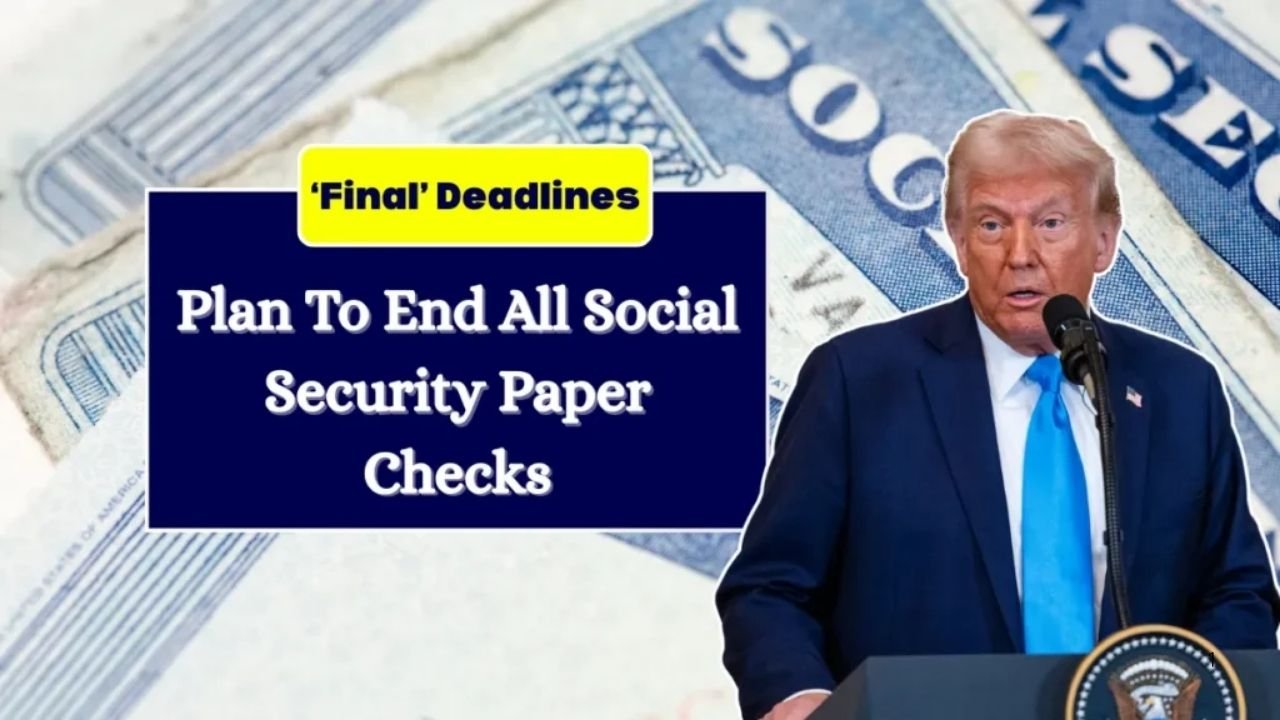
For nearly ninety years, the iconic Social Security paper check arriving in mailboxes has been more than just a payment—it represents security, trust, and stability for millions of Americans. Yet in fall 2025, the federal government signaled that this long-standing tradition would soon end, prompting concern among seniors and vulnerable populations.
After weeks of strict deadlines and public messaging, the Social Security Administration (SSA) has quietly reversed its plan, allowing paper checks to continue for beneficiaries who cannot transition to digital payments.
Why the Change Was Announced

In September 2025, the SSA announced it would phase out mailed Social Security checks, aligning with a broader federal push to modernize government payments. This move stemmed from a March 2025 executive order aimed at eliminating paper-based payments wherever legally possible.
The rationale was clear:
- Printing and mailing a paper check costs approximately 50 cents, versus 15 cents for electronic payments
- Paper checks are 16 times more likely to be lost or stolen
- Digital payments are faster and can be tracked instantly
With 99.4% of the nation’s 69.5 million beneficiaries already receiving benefits electronically, officials believed the transition was nearly complete.
Who Still Needs Paper Checks

Despite modernization, roughly 400,000 beneficiaries rely on mailed checks—not by choice, but out of necessity. States with the largest populations of paper-check recipients include:
- California: ~43,000
- Texas: ~28,000
- Florida: ~24,000
These individuals are disproportionately older, disabled, rural, or low-income, often lacking reliable internet or access to banks. Many seniors are also cautious about digital banking due to fraud concerns, making physical checks feel more secure.
The Quiet Policy Reversal
Just days before the original cutoff, the SSA softened its stance. A September 19, 2025 blog post clarified that payments would not be interrupted if recipients failed to switch to electronic methods. Matthew Bilenki, SSA’s Director of Finance and Management, confirmed that paper checks would continue indefinitely for those who cannot reasonably access digital payments.

The reversal received little public attention, but its impact is significant: the SSA officially prioritizes access over forced modernization.
Why the Government Walked Back the Plan
Several factors influenced this decision:
- Advocacy organizations like AARP and the National Committee to Preserve Social Security and Medicare warned of harm to vulnerable seniors
- Lawmakers from both parties raised concerns about access gaps
- State treasurers highlighted the administrative chaos potential from missed or rejected payments
- Officials feared public backlash, particularly images of seniors left without income during an election year
Digital progress, while beneficial for most, does not reach everyone equally. According to Pew Research Center:
- Nearly 25% of adults over 70 lack home internet access
- About 15% do not own a smartphone or computer
A one-size-fits-all approach risked widening the digital divide, especially for those whose Social Security is their primary income source.
The Three Social Security Payment Options Going Forward
While the SSA encourages digital payments, it now emphasizes choice rather than mandate:
- Direct Deposit
- Fastest, most secure option for those with bank accounts
- Enroll online via a my Social Security account or local SSA office
- Direct Express Debit Card
- Prepaid card for beneficiaries without bank accounts
- Enroll by calling 1-800-333-1795 or visiting usdirectexpress.com
- Hardship Waiver (Paper Check Exemption)
- For individuals who cannot reasonably receive electronic payments due to physical, geographic, or financial barriers
- Apply through the U.S. Treasury at 1-877-874-6347
Every mailed check now includes a detailed insert explaining these options, and SSA staff proactively contact paper-check recipients to assist with transitions at no cost.
What This Means for Beneficiaries
The government’s decision to maintain paper checks demonstrates that modernization must serve people, not exclude them. Seniors and vulnerable populations can continue receiving their benefits without disruption, while those able to access digital payments enjoy the efficiency and security of electronic deposits.
This approach ensures no beneficiary is left behind, while the broader modernization initiative continues to reduce costs and enhance convenience for the majority.
FAQs
Are Social Security paper checks ending?
No. The SSA allows paper checks for beneficiaries who qualify for hardship exemptions.
Who can still receive checks by mail?
Individuals lacking bank access, reliable internet, or facing physical, cognitive, or geographic barriers can continue receiving paper checks.
Does switching to direct deposit cost anything?
No. Enrollment in direct deposit or Direct Express is free, and SSA staff provide support for safe transitions.
By preserving paper checks for those who need them, the SSA has struck a balance between digital efficiency and equitable access, ensuring that Social Security continues to provide stability for all Americans.