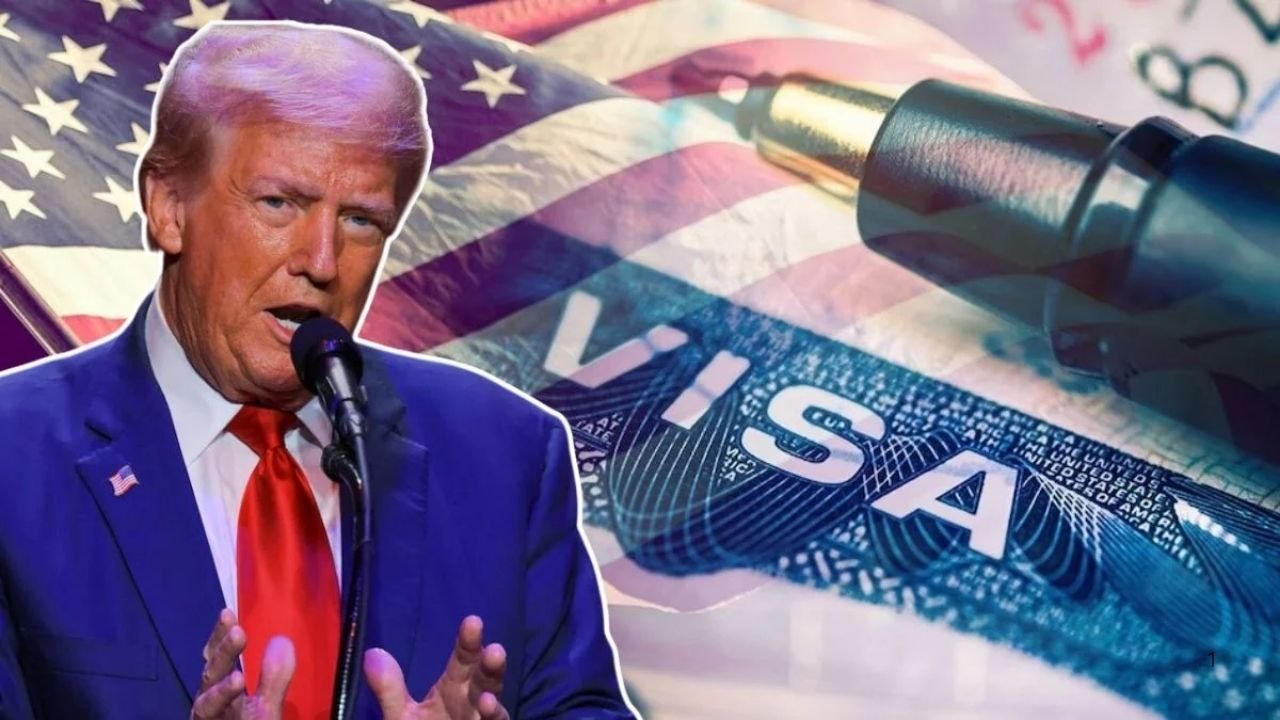
Starting in 2026, navigating the U.S. immigration system is set to become more complex and costly. The United States Citizenship and Immigration Services (USCIS) has introduced several key changes, including increased application fees, stricter security measures, and expanded biometric checks. These updates will affect new applicants, current green card holders, asylum seekers, and Temporary Protected Status (TPS) recipients, with particular implications for individuals from designated high-risk countries.
Why the Changes Are Being Implemented
The U.S. government cites national security and system transparency as primary reasons for these updates. Concerns over fraudulent documents, visa overstays, and illegal entry have prompted authorities to strengthen monitoring and verification procedures. While these measures aim to secure borders and streamline tracking of applicants, they also introduce new challenges for immigrants, especially those with limited financial resources or those seeking asylum.
Key USCIS Fee Increases in 2026

Several immigration-related fees have risen slightly but significantly for applicants:
- Asylum Applications: The annual fee has increased from $100 to $102. Though modest, this can be burdensome for individuals managing rent, food, and legal expenses.
- Employment Authorization Documents (EAD): The fee for new work permits rises from $550 to $560, while renewals increase from $275 to $280.
- Temporary Protected Status (TPS): The Form I-821 application fee climbs from $500 to $510.
USCIS has emphasized that applications submitted with outdated fees will be rejected, making it essential for applicants to verify current rates before filing.
Implications for High-Risk Country Nationals
Individuals from 19 countries designated as high-risk, including Afghanistan, Iran, Somalia, Sudan, Yemen, Cuba, Venezuela, and Turkmenistan, face enhanced scrutiny. Green card holders and applicants from these countries may experience:
- Repeated reviews of travel documents and immigration status
- Difficulties leaving and re-entering the U.S.
- Longer processing times due to intensified checks

Additionally, citizens from 12 countries now face complete entry bans, while seven others are subject to partial restrictions. This new framework directly impacts travel plans, residency, and ongoing immigration processes.
Expanded Biometric and Security Measures
Beginning in 2026, biometric checks at ports of entry and exit will be more rigorous. Travelers will be required to provide not only passports and visas but also:
- Photographs
- Fingerprints
- In some cases, iris scans
These measures are intended to prevent identity fraud, terrorism, and visa overstays. While they enhance national security, they may also lead to longer airport wait times and increased concerns regarding personal data privacy.
Expert Opinions and Public Concerns

USCIS maintains that the changes are necessary for national security and the integrity of the immigration system. However, immigration attorneys and human rights advocates argue that even minor fee increases can disproportionately affect refugees and low-income immigrants. For many, the additional costs create difficult choices between paying application fees or covering basic living expenses.
Practical Steps for Applicants
If you are involved in any U.S. immigration process, proactive steps are essential:
- Verify Fees: Check the USCIS website or consult an immigration lawyer to confirm the current fee schedule before submitting applications.
- Update Documentation: Ensure all personal and travel documents are current and valid.
- Seek Legal Advice: Particularly for applicants from high-risk countries, consulting an immigration attorney before traveling or filing applications is crucial.
- Monitor USCIS Communications: Respond promptly to official notices or emails to avoid delays or complications.
What This Means for Green Card Holders
Existing green card holders from high-risk countries should anticipate additional scrutiny during travel and re-entry. Routine updates to personal information, careful record-keeping, and awareness of new procedures are necessary to maintain legal status without disruption.
Conclusion
The 2026 U.S. visa and green card updates signal a stricter, more monitored immigration system. Increased fees, biometric expansion, and high-risk country designations will affect a wide range of applicants, from new entrants to current residents. Navigating this evolving landscape requires awareness, timely action, and, in many cases, professional guidance. By staying informed and following official USCIS instructions, applicants can minimize disruptions and continue their path toward lawful residence in the United States.
FAQs
Q1: When do the new U.S. visa and green card rules take effect?
A. January 1, 2026.
Q2: Who is affected by the USCIS fee increases?
A. Asylum seekers, TPS holders, parole applicants, and individuals applying for or renewing work permits.
Q3: How much will EAD fees increase?
A. New and renewal Employment Authorization Document (EAD) fees rise by approximately $10.
Q4: Which travelers face stricter security checks?
A. Green card holders and applicants from 19 high-risk countries.
Q5: Are there any travel bans?
A. Yes, 12 countries face full entry bans, and seven others face partial restrictions.