
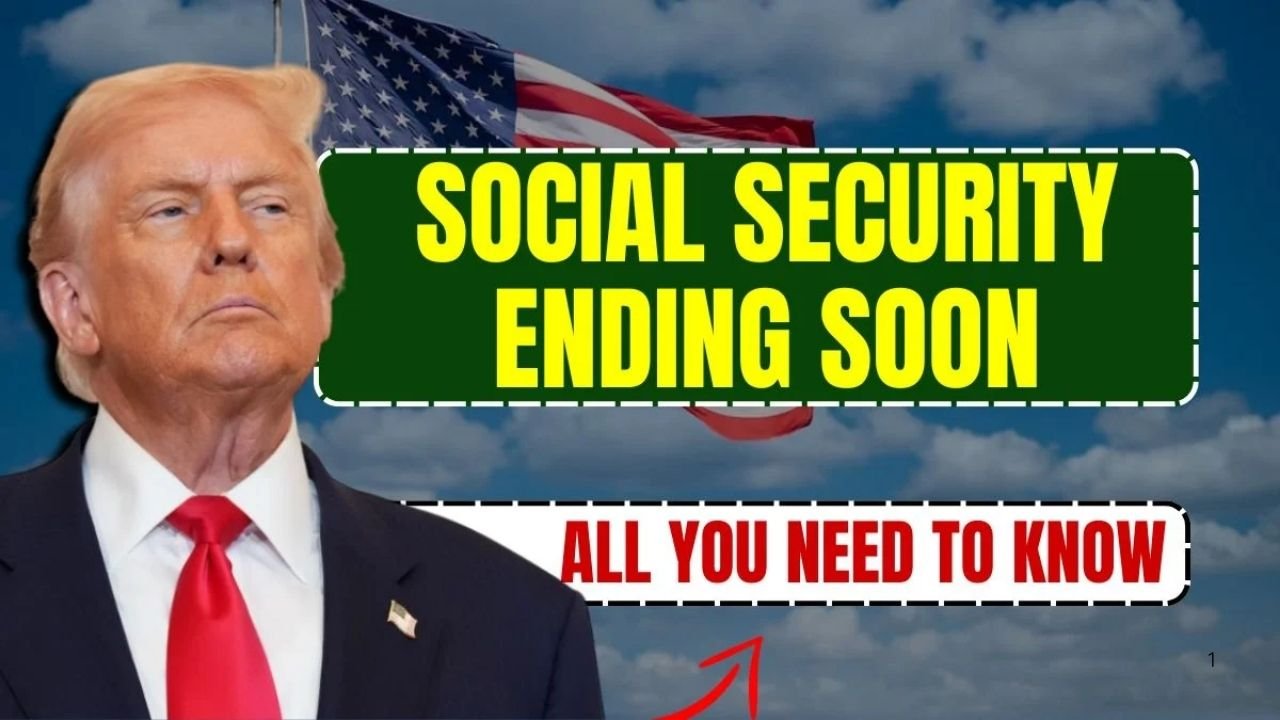
Across the United States, millions of seniors, disabled workers, and veterans rely on Social Security benefits for their daily living. These benefits include Supplemental Security Income (SSI), Social Security Disability Insurance (SSDI), and retirement payments. Many veterans also receive support from VA programs alongside Social Security. Recently, alarming claims have circulated suggesting that these benefits may be “ending soon,” creating widespread concern among beneficiaries.
The truth, however, is far less dramatic. Social Security is not ending. What is occurring are administrative updates, future funding discussions, and misinterpretations that have fueled fear. Understanding the current changes and the structure of these programs is essential to separating fact from fiction.
Why Rumors About Social Security Circulate

One of the main reasons people believe Social Security might end is how information spreads online. Dramatic headlines, viral posts, and short social media videos often amplify fear before factual context is provided.
Additionally, discussions about the long-term sustainability of Social Security’s trust funds contribute to confusion. Experts regularly project potential funding challenges decades into the future if Congress fails to act. While these conversations are legitimate, they do not indicate that current payments will stop.
Technical glitches, delayed payments, and modernization efforts—such as new identity verification and online systems—can also make beneficiaries feel uncertain. While these improvements aim to enhance security and efficiency, they sometimes result in temporary delays, which can be misinterpreted as program cuts.
What Is Actually Changing

While Social Security is not ending, several changes are affecting how benefits are delivered:
Shift to Electronic Payments: Traditional paper checks are increasingly being replaced by direct deposit or debit card payments. This transition enhances security, speeds up delivery, and reduces the risk of lost payments.
Enhanced Security Measures: Stronger verification processes protect against identity theft and fraud. Temporary delays caused by these measures should not be mistaken for benefit cancellations.

Annual Cost-of-Living Adjustments (COLA): Social Security reviews and adjusts benefits annually to account for inflation. These adjustments ensure that beneficiaries maintain purchasing power despite rising living costs.
Understanding SSI, SSDI, and Retirement Benefits
To appreciate why Social Security will not disappear, it’s important to understand its core programs:
SSI (Supplemental Security Income): Provides financial assistance to elderly or disabled individuals with limited income and resources. SSI is critical for preventing poverty and ensuring basic needs are met.
SSDI (Social Security Disability Insurance): Supports disabled workers who previously contributed to Social Security through payroll taxes. SSDI allows recipients to maintain financial stability if they are unable to work due to disability.
Retirement Benefits: Funded through payroll contributions, these benefits replace a portion of lost income for workers reaching retirement age, helping to ensure a secure and dignified retirement.
These programs are deeply integrated into the U.S. economy and social safety net. Eliminating them abruptly would create significant economic and social disruption—an outcome that is extremely unlikely.
VA Benefits and Social Security
Many veterans receive both VA and Social Security benefits. These programs operate independently, meaning changes to Social Security do not automatically affect VA payments. VA disability compensation continues separately, providing additional support for veterans.
It’s worth noting that SSI is a needs-based program, so changes in total household income can affect eligibility. Some fluctuations in SSI payments may occur, but this does not indicate a cessation of Social Security or VA benefits.
What Beneficiaries Should Do Now
For those receiving Social Security, SSI, SSDI, or VA benefits, the key is to remain informed and proactive:
- Keep personal information updated: Ensure addresses and bank account details are current.
- Consider switching to direct deposit: Electronic payments are faster and more secure than paper checks.
- Be vigilant against scams: Legitimate agencies do not request payment to “keep benefits active” or threaten recipients.
- Use official resources: Visit SSA.gov or VA.gov for accurate information rather than relying on social media or unverified sources.
Conclusion
Despite alarming rumors, Social Security is not ending. SSI, SSDI, and VA-related benefits continue to support millions of Americans each month. While the system is evolving through technological upgrades, security improvements, and payment modernization, the fundamental goal remains the same: providing financial stability to retirees, disabled individuals, and vulnerable citizens.
Beneficiaries should focus on staying informed, safeguarding personal information, and utilizing official channels for guidance. Social Security remains one of the strongest pillars of financial security in the U.S., offering peace of mind and dignity to those who depend on it.
FAQs
Q1: Is Social Security really ending soon?
A. No, Social Security is not ending. Discussions about future funding are long-term projections, not immediate changes.
Q2: Will SSI and SSDI payments stop?
A. No, SSI and SSDI payments will continue. Policy updates may occur, but benefits remain active.
Q3: Are VA benefits affected by Social Security changes?
A. No, VA benefits operate independently and are not expected to end.
Q4: Why do some people see delays in their payments?
A. Delays are often due to administrative updates, identity verification, or modernization of payment systems—not cancellations.
Q5: How can beneficiaries protect themselves?
A. Keep contact and banking information current, consider direct deposit, and avoid scams by relying on official SSA and VA resources.