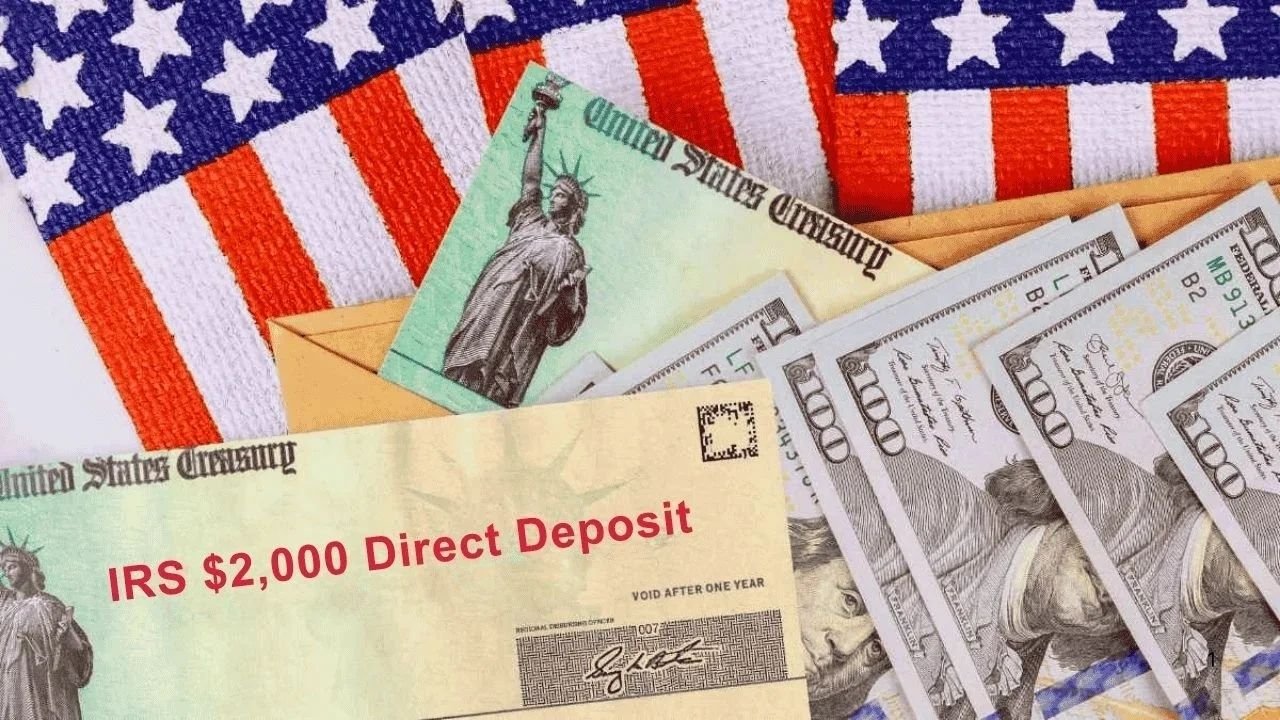
As December 2025 approaches, discussions around a potential $2,000 federal direct deposit have gained widespread attention across the United States. With inflation continuing to strain household budgets through higher grocery prices, rising rents, medical expenses, and winter utility costs, even a one-time payment could offer meaningful short-term relief. While this initiative is not positioned as a broad stimulus like earlier pandemic-era checks, it is being framed as a targeted support measure for Americans most affected by cost-of-living pressures.
Understanding the $2,000 Federal Direct Deposit
The proposed $2,000 federal direct deposit is being considered as a one-time financial relief payment administered through the Internal Revenue Service. If approved, it would be distributed using existing government records, making the process largely automatic for eligible recipients. The payment would not be a loan, would not require repayment, and would not be tied to future tax liabilities.

Unlike universal relief programs, this proposal emphasizes efficiency and precision, directing funds to individuals and families who are more likely to feel immediate financial stress. The goal is to deliver timely assistance during one of the most expensive periods of the year without adding unnecessary administrative complexity.
Why a December 2025 Payment Is Being Discussed
Economic pressures remain unevenly distributed across the population. While some wage growth has occurred, it has not fully offset inflation for many households. Seniors on fixed incomes, individuals with disabilities, veterans, and lower-income families are particularly vulnerable to rising prices.
December also brings seasonal financial challenges. Heating costs increase, holiday-related spending rises, and many households face end-of-year medical or insurance expenses. A targeted payment during this period could help stabilize finances and reduce reliance on credit or emergency savings.
Who May Be Eligible for the $2,000 Payment

Eligibility is expected to be determined using income thresholds and participation in existing federal benefit programs. While final criteria would depend on official approval, early discussions suggest that the following groups are most likely to qualify.
Benefit-Based Eligibility
Individuals already receiving federal benefits may be prioritized, including those enrolled in Social Security retirement programs, Supplemental Security Income, Social Security Disability Insurance, and veterans’ benefit programs. These systems already maintain updated records, which could allow for faster and more accurate distribution.
Income Limits and Phase-Out Structure
Income-based eligibility would likely rely on adjusted gross income reported on recent tax returns. Single filers would qualify up to a specified income level, with higher thresholds for married couples filing jointly. Payments would gradually phase out as income rises, ensuring that assistance is concentrated among households with greater financial need.

Keeping tax filings accurate and current is essential, as outdated or incorrect information could delay payments or affect eligibility.
Payment Method and Expected Timeline
If approved, the IRS is expected to use direct deposit as the primary delivery method. Direct deposit allows for faster processing, reduced administrative costs, and greater security compared to paper checks.
How Payments Would Be Delivered
Recipients with bank account information already on file would receive funds directly. Individuals without direct deposit details may receive paper checks or prepaid debit cards. Processing times could vary slightly depending on banking institutions and delivery methods.
Anticipated Payment Window
Current discussions suggest payments could begin rolling out in mid-December 2025. Most eligible recipients would likely receive funds before the end of the month, provided their information is up to date and no verification issues arise.
What Eligible Individuals Need to Do
For most people, no application would be required. Payments would be issued automatically based on existing records. However, taking a few proactive steps can help prevent delays.
Ensure that bank account and mailing address details are current with the IRS and relevant agencies. Review recent tax filings for accuracy, particularly income and filing status. Monitor official government announcements for confirmation and detailed guidance as decisions are finalized.
Protecting Yourself From Payment-Related Scams
Whenever potential relief payments are discussed, fraudulent schemes tend to increase. Scammers often exploit uncertainty to request personal or banking information.
The IRS does not initiate contact through text messages, social media, or unsolicited emails requesting sensitive details. Legitimate updates are published through official government websites and formal notices. Avoid sharing personal information with unverified sources and rely only on confirmed announcements.
Why a $2,000 Payment Could Make a Difference
For many households, a $2,000 payment could help cover essential expenses such as rent, mortgage payments, utilities, groceries, or prescription medications. Beyond immediate relief, this type of targeted support can reduce financial stress and provide greater flexibility during a high-cost season.
At a broader level, increased spending on necessities can also benefit local economies by supporting businesses that serve everyday consumer needs. While not a long-term solution to inflation, targeted relief can play a meaningful role in short-term financial stability.
Frequently Asked Questions
Is the $2,000 federal direct deposit officially confirmed?
As of now, it remains under discussion and would require formal approval before implementation.
Will I need to apply to receive the payment?
Most eligible individuals would receive the payment automatically without submitting an application.
Will the payment be taxable income?
Previous similar payments were not considered taxable, but official guidance would be issued if the program is approved.
What if my bank account information has changed?
Updating your details with the IRS is recommended to avoid processing delays.
Conclusion
The proposed $2,000 federal direct deposit for December 2025 reflects a targeted approach to financial relief during a period of heightened expenses. By focusing on households most affected by inflation and seasonal costs, the initiative aims to provide timely support without the inefficiencies of universal payouts.
While final approval and details are still pending, staying informed and ensuring personal records are current can help individuals remain prepared. If implemented, this one-time payment could offer valuable assistance and peace of mind as millions of Americans close out the year.